


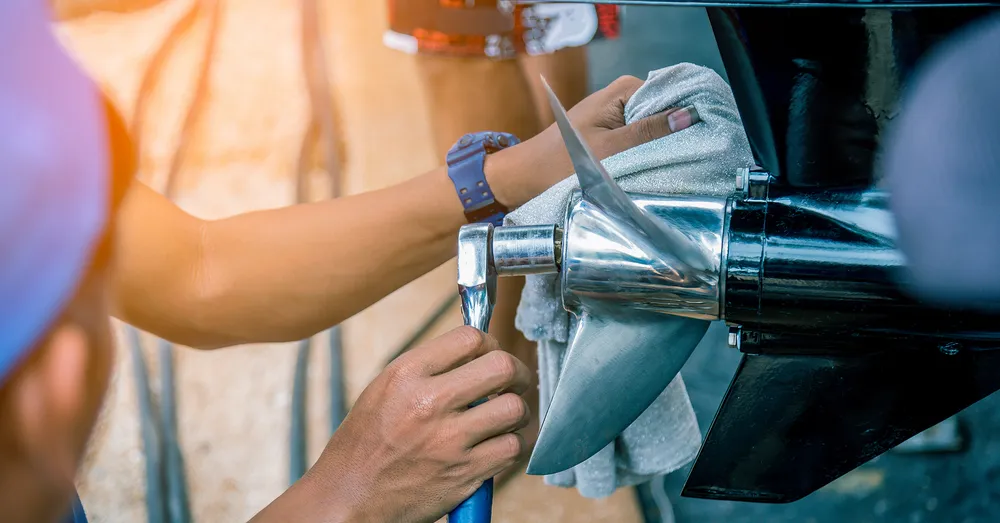
The first beautiful, hot weekend of the summer is the ultimate test for your boat. After sitting in storage all winter, your boat’s mechanical and electrical systems are suddenly put under a heavy load. Whether you are navigating the busy holiday crowds on Lake Lewisville or tracking deep-water routes across Possum Kingdom Lake, the first major temperature spike of the year easily exposes underlying equipment vulnerabilities. Components that seemed perfectly fine during a quick driveway check can fail rapidly when subjected to real heat and a full day out on the lake.
Understanding how to quickly spot and troubleshoot these common early-season bugs can help North Texas boaters keep minor issues from ending their day on the water.
1. The Engine Won't Crank or Turns Over Very Slowly
There is nothing more frustrating than backing your boat down the launch lane on a beautiful weekend, turning the key, and hearing nothing but a dull click or a sluggish crank.
- The Common Culprits: After months of winter storage, boat batteries naturally lose their charge through self-discharge. At the same time, ambient humidity forms high-resistance corrosion fields across exposed terminal pads. This resistance allows enough power to reach low-draw accessories like dashboard screens, but it completely chokes the heavy amperage needed by your engine starter.
- What to Check First: Open your battery access panel and check the terminals. If you see green or white crusty buildup, clean it off completely with a wire terminal brush. Make sure the nuts are tightened firmly with a wrench rather than just hand-tightened, and confirm your battery selector switch is fully clicked into the correct position.
2. Engine Overheat Alarms on Open Water
If you clear the no-wake zone, push the throttle down, and suddenly hear a loud warning chime or see a temperature spike on your dashboard, your cooling system is struggling.
- The Common Culprits: Marine engines rely on drawing lake water through the lower unit to stay cool. Over the winter, the flexible rubber water pump impeller inside your engine can dry out, harden, and take a set. When you first rev the engine, these brittle rubber blades can split or pull away from their hubs. Additionally, concrete launch lanes consistently pool floating weeds, silt, and clay that can be sucked directly into your intake grates.
- What to Check First: Shut down the ignition instantly to avoid warping your engine heads. Never try to "power through" an overheat alarm. Let the engine cool down, then manually check the water intake grates on your lower unit or hull bottom for physical debris. Check your internal sea strainers for weed accumulation before trying to restart.
3. Rough Idling, Stumbling, or Power Loss
If your engine starts up fine but sputters, shakes roughly at low speeds, or hesitates when you try to accelerate, you have a fuel delivery issue.
- The Common Culprits: Modern marine engines need clean, fresh fuel. Gasoline blended with ethanol can absorb moisture from the air over the winter. Once moisture absorption hits a tipping point, a process called phase separation occurs. This leaves a dense layer of water and degraded fuel at the bottom of your tank, right where the engine pick-up tube draws from.
- What to Check First: Running an engine on this bad fuel mixture can cause serious internal damage. Check your fuel-water separator filter canister. If it feels full or heavy, the filter element needs to be safely replaced to establish a fresh fuel baseline. Avoid pouring fresh fuel directly on top of old gas, as it won't fix the underlying separation.
4. Stiff, Heavy, or Rigid Steering
If turning your steering wheel from left to right suddenly takes massive physical effort, your ability to track a straight line or execute safe close-quarters docking is heavily compromised.
- The Common Culprits: Traditional cable steering lines can experience internal binding when old grease oxidizes and hardens inside the support tubes over the winter. On modern hydraulic setups, cold storage can contract rubber lines, causing slow fluid leaks that introduce air pockets into the helm pump chambers.
- What to Check First: Visually check the mechanical steering actuator shafts near your transom or outboard pivot point for dried grease crusts or weeping hydraulic oil. If the steering feels notched or sticky, pull back to a controlled idle. Continuing to force a binding helm can cause a complete loss of directional control.
Frequently Asked Questions
Why shouldn't I keep turning the key if the engine refuses to start? Continuously cranking a weak starter motor draws too much electrical amperage. This overheats the internal motor windings, drains whatever power is left in your house batteries, and can risk drawing raw lake water back through the exhaust manifold into the engine cylinders, causing a permanent lockup.
When should an early-season issue go straight to a professional shop? You should immediately pull your boat out of the water and seek certified service if an engine overheat alarm keeps repeating after you have cleared the external intakes, if your steering wheel continuously sticks or slips, or if you notice milky fluids in your drivetrain, which indicates immediate water intrusion through critical seals.
Factory-Authorized Components & Expert Maintenance
Resolving early-season mechanical wear requires specialized diagnostic tools and replacement components built to exact factory tolerances.
- Certified Mechanical Diagnostics & Repair: Whether you need an emergency water pump replacement, an electrical diagnostic sweep, or a professional fuel system flush, trust the factory-trained technicians at our local Service Center to restore total reliability.
- Genuine OEM Parts Counter: For boaters who prefer handling basic preventative care themselves, our dedicated Lewisville Parts Center stocks premium starting batteries, factory filters, water pump impeller kits, and fresh fluids.
- Outboard Engine Modernization: If your older power plant is causing frequent breakdowns or lacks modern digital fuel efficiency near the trailer docks, explore our authorized Repower Mercury options to restore your peace of mind on the water.
Financial Support & Trading Your Fleet
What payment choices exist for financing advanced electronics or safety overhauls? Our specialized Financing office creates simple, customized loan options, allowing you to bundle major mechanical upgrades, new outboards, and custom Marine Insurance protections into a single monthly plan.
Can I trade in my current boat toward a newer model before next season? Yes. We offer quick, transparent, and market-accurate appraisals so you can avoid the stress of private selling. You can submit your boat's details to our Sell / Trade division to apply that equity directly toward our premium inventory of Cobalt bowriders and Barletta luxury pontoons. Explore our selection of premium New Boats or thoroughly inspected Used Boats.
How do I get in touch with the team at Slalom Shop? To learn more about our corporate history serving Texas mariners since 1977, visit our About Us page. You can track our upcoming safe-boating clinics and boat shows on our Events calendar, read helpful maintenance articles on our Blog, or check out verified customer feedback on our Reviews directory. To explore your long-term protection options, check our Extended Service Contracts page, view seasonal promotions on our Specials checklist, or find showroom maps and hours across all our dealer hubs on our main Contact Us portal.