


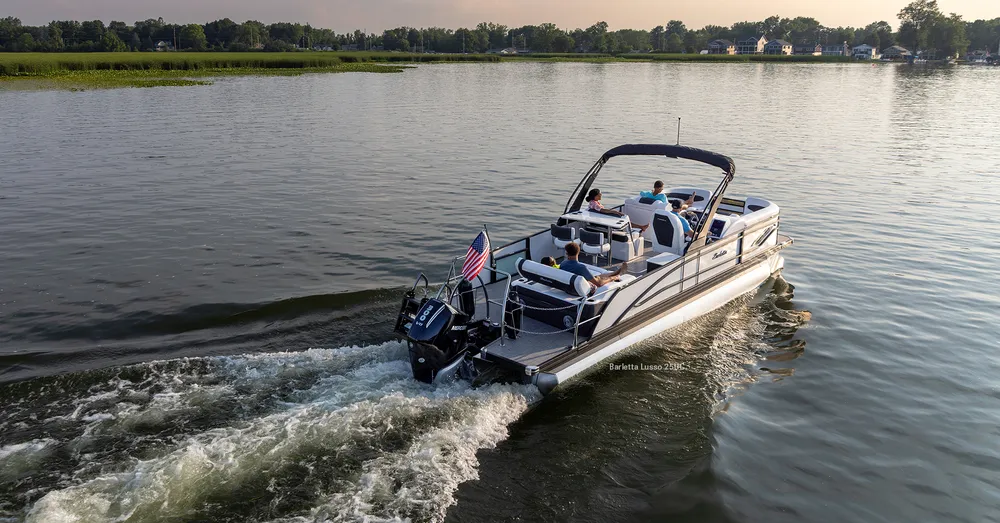
There is nothing quite like the excitement of a holiday weekend out on the water, but kicking off the season on busy North Texas reservoirs requires a smart game plan. When a major holiday arrives, the boat ramps and courtesy docks on Lake Lewisville or Possum Kingdom Lake turn into high-traffic, fast-paced hubs. When dozens of families are trying to launch multi-ton boats at the exact same time, trying to figure out a mechanical glitch or pack your gear in the middle of a loading lane can turn a fun day into a stressful situation very quickly.
The secret to a completely stress-free holiday opener is handling your inspections at home, getting your gear staged early, and practicing smart, relaxed ramp habits that get you past the docks and out into the sunshine in no time.
1. The 24-Hour Driveway Inspection Checklist
The public boat ramp is never the place to troubleshoot a system that has been sitting idle. Take some time the afternoon before your trip to run through these essential checks right in your own driveway.
- Test Your Battery Under a Real Load: A simple voltage reading on your dashboard display can be deceptive because a weakening battery can hold a temporary surface charge that quickly falls apart when you actually try to crank the engine. Have your starting and house batteries properly load-tested at home to ensure they have the real cranking power needed for a worry-free start.
- Make Sure Your Pumps Are Working: Pour a little clean water into your bilge area to verify that your automatic float switch turns on instantly. Make sure the manual toggle switch on your dashboard also activates the pump smoothly without any strained humming noises.
- Run the Engine Bilge Blower: For inboard or sterndrive setups, turn on your engine bilge blower and let it run for a full four minutes. Walk to the back of the boat to feel for strong airflow and double-check that the exhaust vents are entirely clear of dirt, leaves, or wasp nests before you ever turn the key. Take a quick second to click on your navigation and anchor lights as well to make sure you are legal for night cruising.
2. Pre-Stage Your Storage Closets and Safety Gear
Holiday launches go much smoother when your primary safety items aren’t buried deep beneath heavy beach bags and tubes. Group your essential tools together so you can grab them in a split second.
- Pack a Dedicated Launch-Kit Bin: Keep a heavy-duty, waterproof plastic bin handy right near the walk-through area. Fill it with your spare brass or nylon drain plugs, an extra ignition safety lanyard, a basic marine tool set, and a well-stocked first-aid kit.
- Verify Your Life Jackets: Check that all your life jackets are completely free of tears or frayed straps. Make sure you have enough properly fitted life jackets on board for every single guest on your passenger list, keeping your water sports vests easily accessible. Remember, if your boat is over 16 feet long, you are also legally required to keep a Type IV throwable cushion within arm's reach of the helm.
3. Check Your Trailer Before Hitting the Highway
A trailer breakdown on a busy DFW highway can quickly damage your boat and put an end to your weekend plans. Give your towing setup a quick inspection before you pull out of the driveway.
- Verify Your Towing Lights: Plug your trailer wiring harness into your truck and walk around the back to confirm that your running lights, brake lights, and turn signals are all working perfectly.
- Check Tire Pressure and Sidewalls: Use a reliable gauge to make sure your trailer tires match their maximum cold pressure rating. Take a close look at the tread grooves and sidewalls for any hidden cracks or flat spots caused by sitting in storage under a heavy load.
- Secure Your Hitch and Safety Chains: Make sure your trailer coupler locks down tightly over the hitch ball and that the safety pin is completely secured. Cross your heavy-duty safety chains underneath the trailer tongue to create a secure metal cradle that will catch the frame if the coupler ever accidentally disconnects.
4. Smart Boat Ramp Etiquette for Busy Weekends
The public boat ramp is a shared, fast-moving space. Keeping your launch moving efficiently keeps the mood relaxed and prevents accidental scrapes or bumps.
- Do 100% of Your Packing in the Staging Lot: Never back down into an active launch lane while your truck bed is still full of unpacked gear. Park in the designated landside staging lot first. Load all your coolers, dry bags, and sports equipment into the boat, remove your tie-down straps, insert your hull drain plug, and hang your dock lines and fenders out the side before your truck tires ever touch the concrete ramp.
- Assign Clear Roles to Your Crew: Give your family members a quick game plan before you back down. Designate one person to hold the primary front line, another to secure the back line, and someone to drive the truck up to the parking stalls. If your boat doesn't start up right away on the ramp, simply winch it back onto the trailer and pull up into the parking lot to figure out the issue out of everyone's way.
5. Your First Ten Minutes Out on the Water
The first few minutes after you float off the trailer set the tone for your engine's performance for the rest of the day. Take it easy before you push the throttle down.
- Clear the Harbor at a Gentle Idle: As you enter deeper open water away from the docks, turn your steering wheel smoothly from left to right. Confirm that your steering feels light and responsive without any loose play, and make sure your throttle handle clicks into forward and reverse cleanly without sticking.
- Scan Your Dashboard Instrumentation: Take a quick look at your gauge cluster. Verify that your engine operating temperature settles right within its normal factory limits, that your battery system is actively charging (usually reading between 13.5V and 14.5V), and that you have plenty of fuel for your route. Turn your stereo volume down for a brief moment to listen for any unusual engine noises, belt squeaks, or vibrations.
6. A Smooth, Relaxed Return to the Dock
The end of a long afternoon is when everyone is tired and wind patterns change, making it the most important time to have a clear, calm process for pulling your boat out.
- Get Your Mooring Gear Ready Early: While you are still floating safely in open water outside the harbor, layout your dock lines neatly on the floorboards and hang your bumpers along the correct side of the rail. Having everything ready ahead of time ensures you can glide up to the courtesy dock smoothly without any last-second rushing.
- Use Brief Pulses of Power to Align: Approach your trailer bunks using short, simple clicks of throttle—click into gear for just one second, then instantly drop the handle back into neutral to let the boat coast. Let the natural resistance of the water do the heavy braking for you, giving you total tracking control. Once the boat is secured, immediately pull your truck out of the loading lane into the parking lot to dry off your hull, pack away your gear, and fasten your tie-down straps.
Frequently Asked Questions
What is the number one mistake boaters make at the ramp during a holiday weekend? Ramps get backed up almost universally because operators try to load their food coolers, unpack their sports gear, untie their trailing straps, and board their passengers while sitting directly in the middle of the active concrete launch lane. Getting organized in the staging lot completely eliminates this bottleneck.
Why is a pre-holiday professional service checkup a smart idea? Leaving a boat sitting in storage can allow moisture to condense inside your fuel lines, promote small bits of corrosion across electrical grounds, and cause rubber water pump seals to harden. Getting a quick baseline checkup ensures your cooling system lines stay tight, your filters stay clear, and your engine runs beautifully before you face heavy holiday weekend wakes.
Factory-Authorized Components & Expert Maintenance
Resolving pre-season system bugs requires specialized diagnostic tools and replacement components built to exact factory tolerances.
- Certified Mechanical Diagnostics & Repair: Whether you need an emergency water pump replacement, an electrical diagnostic sweep, or a professional fuel system flush, trust the factory-trained technicians at our local Service Center to protect your boat and warranty.
- Genuine OEM Parts Counter: For boaters who prefer handling basic preventative care themselves, our dedicated Lewisville Parts Center stocks premium starting batteries, factory filters, water pump impeller kits, and fresh fluids.
- Outboard Engine Modernization: If your older power plant is causing frequent breakdowns or lacks modern digital fuel efficiency near the trailer docks, explore our authorized Repower Mercury options to restore your peace of mind on the water.
Financial Support & Trading Your Fleet
What payment choices exist for financing advanced electronics or safety packages? Our specialized Financing office creates simple, customized loan options, allowing you to bundle major mechanical upgrades, new outboards, and custom Marine Insurance protections into a single monthly plan.
Can I trade in my current boat toward a newer model before next season? Yes. We offer quick, transparent, and market-accurate appraisals so you can avoid the stress of private selling. You can submit your boat's details to our Sell / Trade division to apply that equity directly toward our premium inventory of Cobalt bowriders and Barletta luxury pontoons. Explore our selection of premium New Boats or thoroughly inspected Used Boats.
How do I get in touch with the team at Slalom Shop? To learn more about our corporate history serving Texas mariners since 1977, visit our About Us page. You can track our upcoming safe-boating clinics and seasonal boat shows on our Events calendar, read helpful maintenance articles on our Blog, or check out verified customer feedback on our Reviews directory. To explore your long-term protection options, check our Extended Service Contracts page, view seasonal promotions on our Specials checklist, or find showroom maps and hours across all our dealer hubs on our main Contact Us portal.