


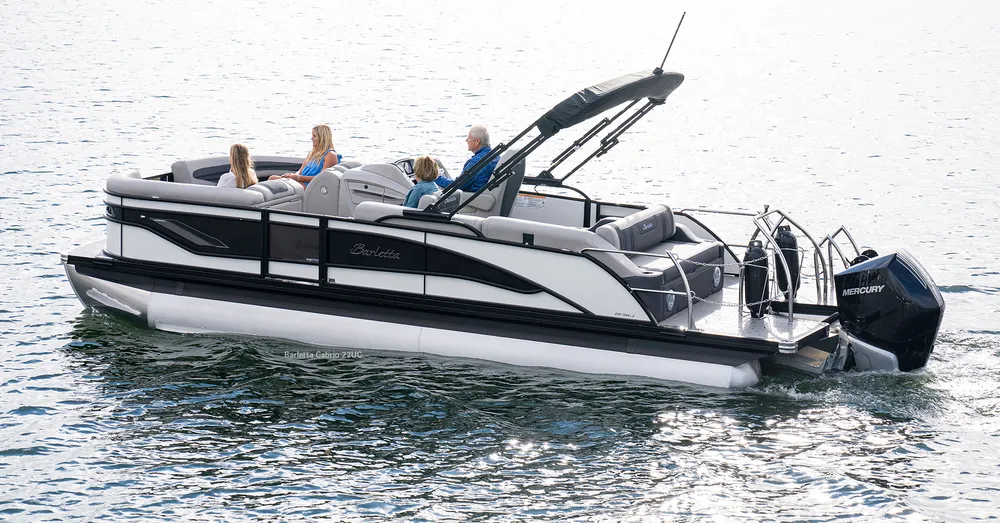
Navigating the initial 30 days of premium watercraft ownership requires establishing rigorous operational habits, structural storage zoning, and disciplined pilotage habits. For new owners across North Texas—whether mastering a yacht-certified Cobalt bowrider or piloting a wide-beam Barletta luxury pontoon—the learning curve shouldn't be handled through improvisation at a crowded weekend ramp. Offseason layouts or new mechanical assemblies demand strict break-in monitoring and an accurate understanding of slow-speed hydrodynamics.
Implementing a phased, weekly integration protocol transforms a novice captain into a confident mariner, safeguarding your fiberglass gelcoat and ensuring long-term drivetrain reliability on Lake Lewisville or Possum Kingdom Lake.
Week 1: Establish Your Structural and Regulatory Baseline
The initial seven days of ownership must be dedicated to completing your legal compliance parameters and mapping your vessel’s internal electrical and mechanical infrastructure.
- Regulatory and Asset Protection Staging: Ensure your state registration decals are applied precisely to the forward port and starboard hull quadrants, and confirm your vessel titling and localized Marine Insurance policies are fully executed. Store digital duplicates of all ownership records securely on board.
- Electrical Infrastructure Mapping: Open your aft engine hatches or sub-seat compartments to physically trace your primary electrical loops. Identify the exact location of your dual-battery selector switches, primary inline fuses, and main helm breaker panels. Understanding how to isolate a weak house bank or reset an accessory breaker prevents minor electrical shorts from stalling a trip.
- The Launch-Kit Triage Bin: Dedicate a heavy-walled, waterproof polymer storage bin exclusively for critical, immediate-use launch hardware. This kit should contain multiple spare brass or nylon garboard drain plugs, a secondary ignition safety lanyard, a non-corrosive marine tool set, and a high-purity medical kit. Stowing these assets in a unified terminal prevents last-second scrambling in active launch lanes.
Week 2: Close-Quarters "Idle-Only" Docking Calibration
Maneuvering anxiety is almost always caused by a lack of advanced spatial calibration. Dedicate your second week to low-traffic, weekday mornings to build foundational muscle memory.
- The Open-Water Wind and Drift Test: Before approaching a terminal structure, pilot your vessel into an open pocket of water and shift the binnacle into neutral. Observe how real-time crosswind vectors and current displacements manipulate your hull’s tracking axis. This diagnostic analysis allows you to compensate for drift during your final docking approach.
- Pulse Throttle Mechanics: Eliminate the common mistake of applying sustained forward throttle near bulkheads. Approach the pier using short, deliberate clicks of power—shifting into gear for one continuous second, then immediately returning to neutral to coast. Allowing the hull's natural hydrodynamic drag to execute the deceleration gives you absolute tracking control.
- Enforce the No-Leap Mandate: Explicitly brief your crew that no passenger is permitted to leap from a moving gunwale onto a wet dock deck. A missed approach can easily be corrected by executing a clean abort and reset; a slipped footing between a concrete piling and a multi-ton hull introduces severe safety hazards.
Week 3: Implement Marine Surface Preservation and Fluid Audits
The actions you execute immediately after hauling your hull out of the water directly dictate how long its premium finishes and internal components remain flawless.
- Mineral Contamination Neutralization: North Texas reservoirs contain suspended clay, silt, and harsh minerals that can bake onto your gelcoat within hours. Spray down the hull sides and lower unit with high-gloss detailers and microfiber towels immediately after trailing to strip hard-water scaling before it pits the clearcoat.
- Atmospheric Moisture Controls: Remove all wet towels, saturated watersports ropes, and life jackets from your sub-floor lockers. Stowing damp gear inside sealed fiberglass compartments creates a stagnant environment that fosters rapid mold growth and degrades internal marine wiring.
- Drivetrain Fluid Evaluations: With the vessel level on its trailer bunks, manually check your engine oil, power steering reservoirs, and hydraulic trim fluid levels per your manufacturer's technical manual. Note any milky coloration in your lubricants, as this indicates silent water intrusion through a lower unit seal.
Week 4: Coordinate Your Factory-Authorized Service Milestones
The final week of your initial integration phase requires transitioning from basic operational checks to structured, long-term preventative upkeep.
- The Critical 20-Hour Engine Break-In: New marine engines require a strict break-in protocol during their initial 20 hours of operation. Avoid holding a sustained RPM band for extended blocks; cycle through various throttle ranges smoothly to ensure the piston rings seat flawlessly against the cylinder walls.
- Schedule Your Reliability Checkpoint: Even if your vessel exhibits perfect handling, booking a professional inspection at the conclusion of your first month is vital. This diagnostic touchpoint validates that all internal cooling clamps remain torqued, filters clear cleanly, and automated systems synchronize flawlessly.
Technical Frequently Asked Questions
What is the fastest strategy to master close-quarters docking?
The most efficient method is practicing repeatable approaches at an empty courtesy dock or around a floating buoy using short, low-RPM pulses of power, focusing entirely on neutral coasting to let the boat's existing momentum do the heavy braking work.
What specific operational metrics must a first-time owner track continuously?
You must diligently monitor cumulative engine hours on your helm display, note fuel consumption habits across different throttle ranges, and instantly investigate any visual or acoustic warning indicators on your digital switching arrays to resolve minor issues before they become holiday-weekend tow calls.
Sourcing Authorized Marine Technical Support & Inventory
Correcting early-season operational anomalies or executing precision modifications requires utilizing diagnostic equipment and replacement components calibrated to exact factory tolerances.
- Certified Mechanical Diagnostics: From executing mandatory 20-hour break-in oil flushes to pressure-testing lower unit seals or resolving complex electrical anomalies, rely on our factory-trained technicians at the Slalom Shop Service - Lewisville, TX department to protect your investment.
- Genuine OEM Component Sourcing: For mariners performing routine dockside upkeep, our local Parts - Lewisville, TX counter stocks heavy-duty cold-cranking batteries, genuine factory filters, water pump impeller kits, and premium fluids engineered for your specific platform.
- Drivetrain Modernization: For owners looking to upgrade an older power plant with advanced digital binnacles for absolute throttle precision near the trailer bunks, check our authorized Repower Mercury - Lewisville, TX division.
Fleet Allocation and Financial Coordination
What structural credit frameworks exist for financing a premium watercraft overhaul?
Our specialized Financing office provides custom loan frameworks, allowing you to seamlessly bundle your choice of high-performance modern hull, reliable outboards, technical electronics, and localized Marine Insurance packages into a single structured framework.
Can I leverage my current boat as trade equity toward a newer model run?
Yes. We coordinate transparent, market-accurate asset evaluations through our internal Sell / Trade division, making it highly efficient to liquidate your old hull and apply that value directly toward our inventory of premium Cobalt bowriders and Barletta luxury pontoons. Explore our selection of New Boats or thoroughly inspected Used Boats.
How do I track upcoming dealer events or connect with Slalom Shop?
To learn about our corporate legacy serving Texas mariners since 1977, visit our About page. You can monitor our active schedule of safe-boating seminars and seasonal dealer events on our Events page, track continuous technical maintenance guides on our Blog page, or see verified customer feedback on our Reviews page. To review long-term mechanical protection parameters, consult our Extended Service Contracts checklist, find current promotions on our Specials page, and for maps and showroom hours across all our regional dealer hubs, visit our Contact page.