


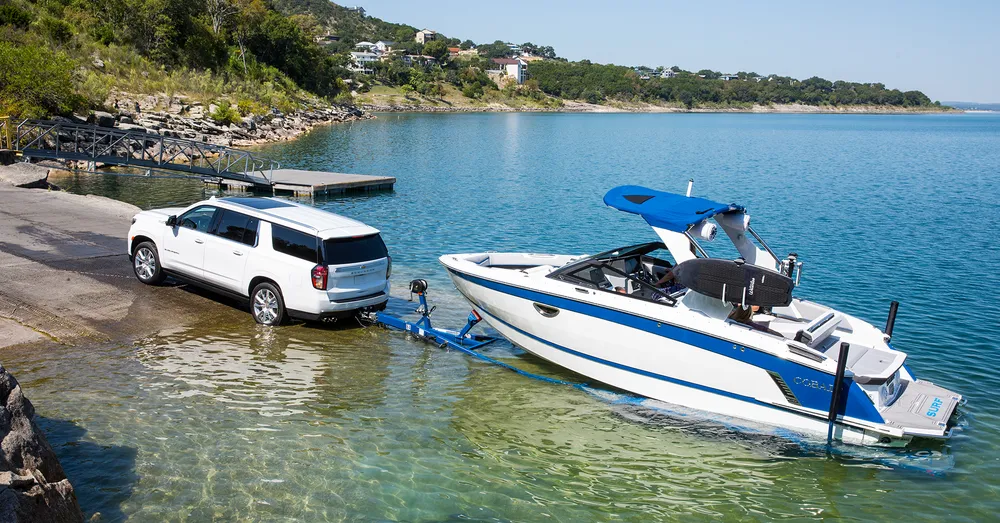
Heading out to the water on a gorgeous summer weekend is the ultimate way to enjoy the sunshine. However, because everyone shares the same excitement, the public boat ramps and courtesy docks can get busy incredibly fast. Whether you are launching into the heart of Lake Lewisville or backing down the deep-water marina lanes at Possum Kingdom Lake, the ramp serves as a fast-paced shared hub. When dozens of families are trying to load or unload at the exact same time, practicing smart ramp rules keeps the day fun, protects your boat's beautiful gelcoat, and gets everyone out on the water without delay.
By following a few simple, common-sense staging habits and keeping your routine organized, you can eliminate launch-ramp anxiety and ensure a smooth, predictable start to your weekend.
1. The Golden Rule: Complete Your Packing Landside
The concrete launch lane is strictly an immediate drop-and-go corridor for your boat—it is never the place to pack your bags or sort through gear. Make it an absolute rule to handle 100% of your vessel configuration within the landside parking perimeter well before backing onto the ramp.
- Pack Your Gear in the Lot: Load all your heavy coolers, dry bags, and personal items into their proper under-seat storage lockers while you are still safely parked out of the way.
- Check the Plug and Battery: Thread your hull drain plug in nice and tight, and verify that your ignition keys and safety lanyards are sitting on the dashboard. Engage your battery isolation switches to confirm the engine has immediate starting power before your trailer tires touch the water.
- Pre-Stage Lines and Fenders: Remove all transom tie-down straps, support brackets, and winch safety chains. Hang your boat fenders along the appropriate side rails and flake your dock lines cleanly on the deck so they are free of knots and instantly accessible.
2. Launching with Precision and Efficiency
Once you clear the staging area, backing down the concrete lane should be treated as a quick, focused routine.
- Back Down Smoothly: Guide your tow vehicle down the ramp with steady, gradual movements. Avoid making sudden, sharp steering corrections that can quickly jackknife the trailer frame.
- Float and Clear Out: The moment the boat has enough water depth to float off the trailer bunks, start up the engine, disengage the bow strap hook, and back out at a slow, controlled idle speed.
- Clear the Lane Immediately: The driver of the tow vehicle should instantly pull the empty trailer up and away from the water, driving straight to the designated vehicle parking stalls so the lane stays open for the next boater.
3. Stress-Free Late Afternoon Retrieval Tactics
The end of a long day on the lake is when everyone is tired, wind patterns change, and minor docking scrapes are most likely to happen. Staying calm and using smart throttle habits makes all the difference.
- Check the Wind and Current: Before you glide into the immediate ramp area, pause your boat in open water for a moment to calculate how the wind and water currents are drifting your hull.
- Use Brief Pulses of Power: Never try to guide your boat onto the trailer bunks using constant, high-speed momentum. Instead, approach slowly using short clicks of throttle—click into gear for just one second, then instantly drop the handle back into neutral to let the boat coast. Let the natural resistance of the water do the heavy braking for you.
- Be Ready to Abort and Reset: If a sudden gust of wind or a large wave from a passing boat throws off your alignment, don't try to force a bad angle near the metal trailer frame. Simply back out cleanly into deep water, reset your straight line, and try a fresh approach.
4. Respect the Courtesy Dock Boundaries
The courtesy dock next to the ramp is built for rapid passenger loading and unloading, not a secondary social zone or a permanent parking space.
- Keep Transitions Quick: Leave your boat tied to the courtesy dock for the minimum time required to grab your truck or let your passengers step aboard. Never leave your vessel completely unattended at a primary dock while you walk away to browse the marina shops.
- Turn Down the Volume: Turn your stereo system down completely as you approach the docks. Keeping the music low ensures the captain can hear quick verbal instructions from helpers on shore and hear acoustic warning signals from surrounding boats.
Frequently Asked Questions
What is the number one cause of weekend boat ramp traffic jams? Ramps get backed up almost universally because operators try to load their food coolers, unpack their sports gear, untie their trailing straps, and board their passengers while sitting directly in the middle of the active concrete launch lane. Getting organized in the staging lot completely eliminates this bottleneck.
Should my passengers stay in the boat while I am launching? For the smoothest and safest experience, it is usually best to have minor passengers wait safely on the shore or dock until the boat is floating free and moored at the courtesy dock. An experienced crew member should stay behind the wheel to monitor the engine displays during trailer disengagement.
Factory-Authorized Components & Expert Maintenance
Maintaining perfect control at the boat ramp depends heavily on outfitting your trailer and hull with premium, highly reliable hardware.
- Certified Rigging & Component Sourcing: For boaters upgrading their trailer strap layouts, replacing worn fenders, or purchasing high-tensile mooring lines before a busy weekend run, our fully stocked Pro Shop and Parts Center counters supply factory-direct accessories built to handle heavy use.
- Multi-Point Mechanical Diagnostics: If your trailer wheel bearings are running excessively hot after a highway drive, your brakes feel sticky, or your engine struggles to hold a smooth idle at low speeds, let our factory-trained technicians help. Schedule a diagnostic audit at our local Service Center to keep your trips completely worry-free.
- Outboard Engine Modernization: If your older power plant is suffering from shift delays or lacks responsive digital low-speed handling controls, upgrading your transom through our authorized Repower Mercury center installs advanced control networks for absolute precision near the docks.
Financial Support & Trading Your Fleet
What payment choices exist for financing a premium dayboat or pontoon purchase? Our specialized Financing office creates simple, customized loan options, allowing you to bundle your chosen boat, high-performance outboards, technical electronics, and custom Marine Insurance protections into a single monthly plan.
Can I trade in my current boat toward a newer model this season? Yes. We offer quick, transparent, and market-accurate appraisals so you can avoid the stress of private selling. You can submit your boat's details to our Sell / Trade division to apply that equity directly toward our premium inventory of Cobalt bowriders and Barletta luxury pontoons. Explore our selection of premium New Boats or thoroughly inspected Used Boats.
How do I get in touch with the team at Slalom Shop? To learn more about our corporate history serving Texas mariners since 1977, visit our About Us page. You can track our upcoming safe-boating clinics and boat shows on our Events calendar, read helpful maintenance articles on our Blog, or check out verified customer feedback on our Reviews directory. To explore your long-term protection options, check our Extended Service Contracts page, view seasonal promotions on our Specials checklist, or find showroom maps and hours across all our dealer hubs on our main Contact Us portal.