


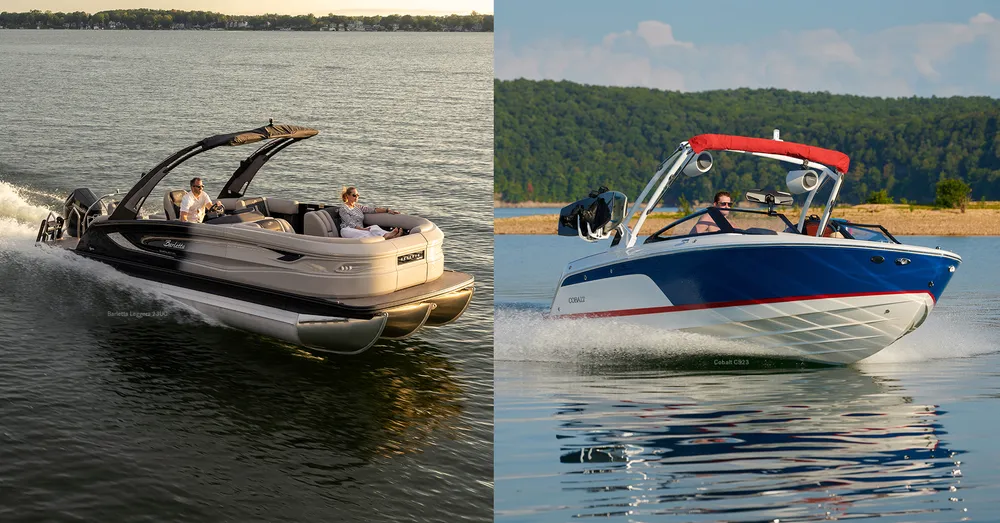
The transition from winter storage into the high-intensity summer boating season requires a complete recalibration of your close-quarters maneuvering tactics. Docking a watercraft under optimal conditions demands deliberate throttle control, but handling a busy afternoon on major North Texas reservoirs elevates the structural risk. Whether you are managing the sharp-entry fiberglass hull of a yacht-certified Cobalt bowrider or the wide-beam aluminum footprint of a Barletta luxury pontoon, treating docking as a systematic mechanical drill rather than an improvised maneuver eliminates stress and protects your investment from preventable damage.
Across Lake Lewisville and Possum Kingdom Lake, restoring your slow-speed handling proficiency relies on executing structured open-water exercises before backing into a crowded slip.
1. Pre-Stage Structural Docking Infrastructure
Maneuvering anxiety escalates rapidly if the helm operator is forced to calculate crosswinds while the crew scrambles to locate lines or adjust bumpers. Complete 100% of your physical configurations in open water well before your hull enters the marina breakwaters or fuel dock perimeter.
- Fender Staging Geometry: Hang heavy-duty marine fenders along your primary boarding beam. Position them precisely at the height of the target pier, floating dock, or structural slip pilings.
- Mooring Line Alignment: Cleat your bow, stern, and spring lines early, flaking the remaining rope neatly on deck so they can be passed smoothly to dock hands without knotting.
- The Absolute Step-Off Mandate: Explicitly instruct your crew that no passenger is permitted to leap or lunge from a moving vessel onto a wet dock walkway. A slow, controlled "miss" allows the captain to reverse cleanly and re-align the approach vector; a rushed leap poses an immediate, severe safety hazard between a multi-ton hull and a concrete bulkhead.
2. Execute Open-Water "Idle-Only" Transition Drills
Before committing your hull to a confined slip layout, navigate to an open pocket of water to recalibrate your touch on the remote binnacle control. Modern high-end dayboats and pontoons respond immediately to subtle propulsion changes, meaning small, metered inputs are vastly more effective than sustained acceleration.
- The Drift and Wind-Vector Analysis: Bring the vessel to a complete stop in open water to calculate real-time wind drift and current vectors against your superstructure.
- Pulse Throttle Management: Practice moving the boat utilizing short, brief clicks of power—engaging the gear into forward idle for one to two seconds, then instantly returning to neutral. Allowing the vessel's existing hydrodynamic momentum to execute the rotation prevents over-correction, stabilizes your approach line, and keeps your decisions calm. Docking is fundamentally an exercise in managed drifting, not sustained velocity.
3. Establish Single-Commander Crew Protocols
A disorganized crew offering conflicting spatial estimates or shouting directions can completely disrupt a captain's focus during close-quarters berthing.
- Assign Explicit Responsibilities: Designate a single, alert crew member to handle the primary bow line and another to secure the stern. Instruct all other passengers to remain securely seated in their assigned zones to maintain a level running attitude and keep lines of sight completely unobstructed.
- Pinch Point Awareness: Warn your guests never to place their hands, arms, or feet between the gunwale and the dock structure to check momentum. Utilize the boat's mechanical reverse thrust to arrest forward speed, keeping limbs completely clear of high-pressure pinch points.
4. Implement a Strict "Abort and Reset" Operational Rule
There is zero penalty for abandoning a compromised approach line on a windy North Texas afternoon. If a sudden crosswind gust or a heavy displacement wake from a passing watercraft pushes your bow off its targeted entry axis, immediately abort the maneuver.
- Clear the Obstruction: Do not attempt to save a poor angle by applying heavy forward throttle near a bulkhead. Shift cleanly into reverse, back out into open water, and re-align your approach vector. A controlled, calm reset is the definitive mark of professional seamanship.
5. Differentiate Seamanship Errors from Mechanical Liabilities
If your hull consistently pulls unpredictably, or if shifting your binnacle controls between forward, neutral, and reverse requires excessive physical effort, you are likely fighting an equipment deficiency rather than a lack of environmental skill.
- Control Linkage Synchronization: Over the winter months, marine steering fluids can contract and develop internal air pockets, and mechanical shift cables can stretch or bind inside their support tubes. Verify that your helm responses are immediate, smooth, and predictable lock-to-lock.
- Professional Diagnostic Support: If your throttle detents feel loose, your steering exhibits sticking, or your powertrain stumbles at low RPMs, do not compromise your close-quarters safety. Schedule a comprehensive multi-point diagnostic checkup with our factory-certified technicians to ensure your controls engage instantly.
Technical Frequently Asked Questions
What is the primary reason intermediate boaters struggle with low-speed dock approaches?
Maneuvering failures are almost universally caused by carrying too much forward momentum and failing to utilize neutral coasting. Operating the throttle continuously rather than pulsing the gear detents forces the hull into sudden acceleration cycles that override steering control.
Should I dock my watercraft bow-first or stern-first?
The optimal entry angle is dictated entirely by local wind velocity, current direction, and your specific slip configuration. The safest protocol is always attempting to dock heading into the prevailing environmental force, as this provides maximum braking capability and steering responsiveness from your propulsion system.
Sourcing Authorized Components & Systems Support
Refining your close-quarters capabilities requires outfitting your hull with hardware and steering controls calibrated to exact manufacturer tolerances.
- Certified Marine Service and Calibration: From diagnosing complex electronic binnacle issues to executing complete lower unit pressure checks, hydraulic steering line bleeding, and engine tuning, trust our factory-trained technicians at the Slalom Shop Service - Lewisville, TX bay to keep your controls pristine.
- Premium Pro Shop Gear and Accessories: Visit our local Parts - Lewisville, TX department or fully stocked Pro Shop to secure high-tensile double-braided nylon dock lines, heavy-walled cylindrical fenders, specialized fender clips, and Coast Guard-approved safety gear.
- Propulsion System Modernization: For owners looking to replace an aging, hard-shifting engine or add digital speed control networks to an existing platform, our authorized Repower Mercury - Lewisville, TX specialists can modernize your transom with cutting-edge absolute reliability.
Fleet Allocation and Financial Coordination
What structural credit frameworks exist for financing a full boat tech and safety overhaul?
Our specialized Financing office provides tailored loan configurations, allowing you to seamlessly bundle your choice of high-performance modern hull, reliable outboards, technical electronics, and comprehensive Marine Insurance packages into a single structured framework.
Can I leverage my current watercraft as trade equity to fund an upgrade?
Yes. We coordinate transparent, market-accurate asset evaluations through our Sell / Trade division, making it highly efficient to liquidate your old hull and apply that value directly toward our premier inventory of Cobalt bowriders and Barletta luxury pontoons. Explore our selection of New Boats or thoroughly inspected Used Boats.
How do I track upcoming dealer events or connect with Slalom Shop?
To learn about our corporate legacy serving Texas mariners since 1977, visit our About page. You can monitor our active schedule of safe-boating seminars and seasonal dealer events on our Events page, track continuous technical maintenance guides on our Blog page, or see verified customer feedback on our Reviews page. To review your long-term mechanical coverages, check our Extended Service Contracts checklist, and find current promotions on our Specials page. For showroom maps and operating hours across all our regional dealer hubs, visit our Contact page.