

Establishing a structured, mission-oriented blueprint for your time on the water is the single most effective way to eliminate onboard friction and avoid logistical delays. Across North Texas waterways—whether navigating the high-density holiday traffic of Lake Lewisville or maneuvering the deep expanses of Possum Kingdom Lake—a lack of clear planning on a summer weekend results in gridlocked boat ramps, mismatched equipment configurations, and passenger frustration. To guarantee performance and safety, captains must synchronize their vessel's mechanical readiness with a singular, defined objective.
By categorizing your lake runs into distinct operational profiles, you can eliminate improvisations at the helm and optimize every hour spent away from the slip.
Step 1: Define Your Primary Operational Profile
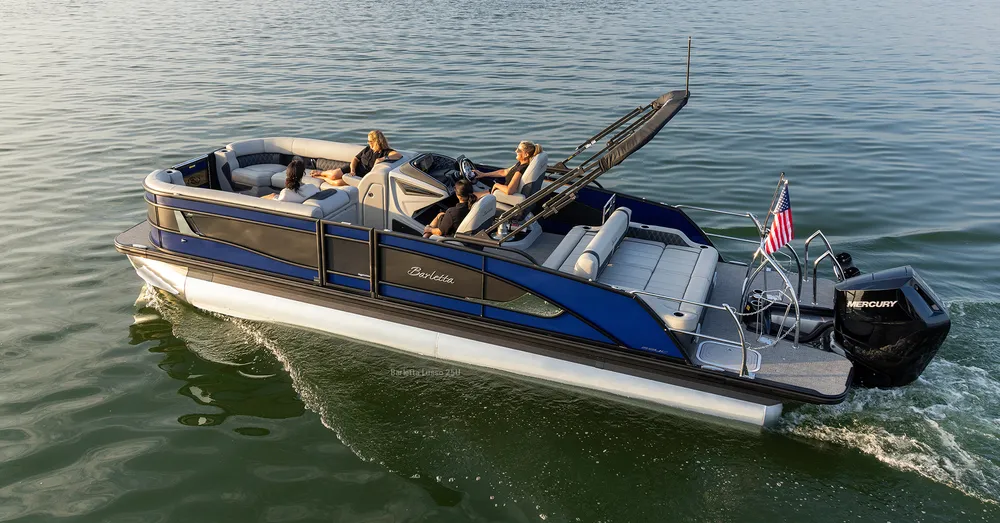
Attempting to force a luxury bowrider, dayboat, or high-capacity pontoon to handle disparate tasks simultaneously strains resource management. Commit to one definitive structural mission before leaving the dock.
- Profile A: Tactical Cruising & Exploration
- Objective: Maximizing passenger comfort during long-range sightseeing runs across major open-water expanses.
- Operational Focus: This setup is ideal for multi-generational crews requiring expansive canopy shade structures, stable tracking speeds, and smooth throttle synchronization. Ensure your seating weight is distributed evenly to maintain an efficient running attitude and clear lines of sight.
- Profile B: Station Anchoring & Cove Socialization
- Objective: Establishing a secure, stationary base for swimming and leisure in protected zones like Party Cove on Lake Lewisville or Hell's Gate at Possum Kingdom Lake.
- Operational Focus: This requires absolute confidence in your ground tackle. Operators must verify proper anchor line scopes (typically a 5:1 ratio minimum in calm inland waters) to account for sudden wind shifts and heavy wake activity from passing hulls.
- Profile C: High-Torque Watersports Execution
- Objective: Sustained towing of wakeboarders, surfers, or tubes in designated deep-water corridors.
- Operational Focus: This mission demands structured tow-line management, an alert and designated rear-facing observer, and a reliable engine capable of maintaining precise speed control. Ensure your automated ballast pumps and wake-shaping hardware are fully calibrated before accelerating.
- Profile D: Destination Dock-and-Dine Maneuvers
- Objective: Navigating high-traffic marina channels to secure transient slips at premier waterfront venues like Sneaky Pete's or Charlie's Lakeside on Lake Lewisville.
- Operational Focus: This profile requires advanced close-quarters docking confidence. Captains must have their structural lines and high-impact fenders pre-staged on the appropriate rail before entering the marina breakers, allowing for a controlled approach at dead idle.
Step 2: Calibrate Your Strategy Against the Regional Calendar
Waterway conditions shift dramatically based on timing and meteorological data. Smart operators adapt their navigation plans to match the calendar.
- Peak Holiday Weekends: Expect maximum vessel density. To minimize safety risks and avoid gridlock at public launches, clear the wake zones by 0800 and establish your anchorage or complete your tow runs early before peak chop develops.
- Mid-Week Operational Windows: Tuesdays through Thursdays provide the ideal, low-traffic environments needed to log engine break-in hours, test new electronic navigation software, or practice precision reverse-docking maneuvers.
- High-Wind Adaptations: When sudden wind vectors create heavy chop across open water, shift your route to windward shorelines or landlocked coves to shield your hull from structural stress and provide a more stable platform for your passengers.
Step 3: Implement the "Single-Tote" Deployment System
Eliminate loose cockpit clutter and streamline your pre-launch checklist by condensing your core operational assets into a unified, accessible storage framework.
- Safety & Regulatory Components: Group all Coast Guard-mandated life jackets, fully charged fire extinguishers, sound-producing devices, and primary medical kits into a primary waterproof locker.
- Rigging & Lines Storage: Keep your dock lines, high-impact fenders, and anchor components organized and free of knots so they can be deployed immediately during an emergency or sudden drift.
- Mechanical Field Kit: Maintain a secondary, compact storage bag containing basic marine tools, backup spark plugs, electrical tape, extra fuses, and fuel-water separator filters. You can procure all necessary safety accessories and hardware directly at our local Parts - Lewisville, TX counter.
Step 4: Establish Enforceable Onboard Non-Negotiables
A captain's primary duty is maintaining complete operational control over the vessel. Setting clear, absolute rules before casting off ensures crew discipline and safety.
- Activity Deadlines: Establish a firm timeline for your primary mission. For example, mandate that all tow-sports conclude before peak afternoon chop disrupts visibility.
- Ramp Rush Mitigation: Commit to clearing your anchorage or departing waterfront restaurants early enough to complete trailing operations before the chaotic mid-afternoon congestion stalls the local launch lanes.
Optimizing Your Vessel for Your Lake Routine
A smooth lake day relies heavily on matching your boat's mechanical condition with your chosen activity. If your current boat is underpowered for heavy towing or lacks the tracking precision needed for tight marina spaces, professional system upgrades can restore your mechanical advantage.
- Certified Mechanical Audits: Ensure your steering linkages engage instantly and your cooling systems operate flawlessly under load. Schedule a diagnostic multi-point service appointment with our factory-trained technicians at our Service - Lewisville, TX bay.
- Propulsion Synchronization: For owners experiencing inconsistent throttle responses or mechanical lag, upgrading your transom through our authorized Repower Mercury - Lewisville, TX office installs cutting-edge digital controls and absolute peace of mind.
Frequently Asked Questions
What financial channels exist for upgrading to a high-capacity family cruiser?
Our specialized Financing office designs custom loan packages, allowing you to seamlessly bundle your choice of high-performance modern hull, reliable outboards, and specialized Marine Insurance into a single plan.
Can I leverage my current boat as a trade asset to fund a layout change?
Yes. We facilitate transparent, market-accurate asset evaluations through our Sell / Trade division, making it highly efficient to liquidate your current watercraft and apply that equity directly toward our curated selection of New Boats or thoroughly inspected Used Boats.
How do I contact Slalom Shop for upcoming regional updates?
To learn about our corporate history serving Texas mariners since 1977, visit our About page. You can monitor upcoming safety events and consumer workshops on our Events page, track maintenance tips on our Blog page, or see verified customer feedback on our Reviews page. To review long-term structural or asset protections, consult our Extended Service Contracts directory. For showroom hours and directions across all our regional hubs, visit our Contact page.